Material Histories
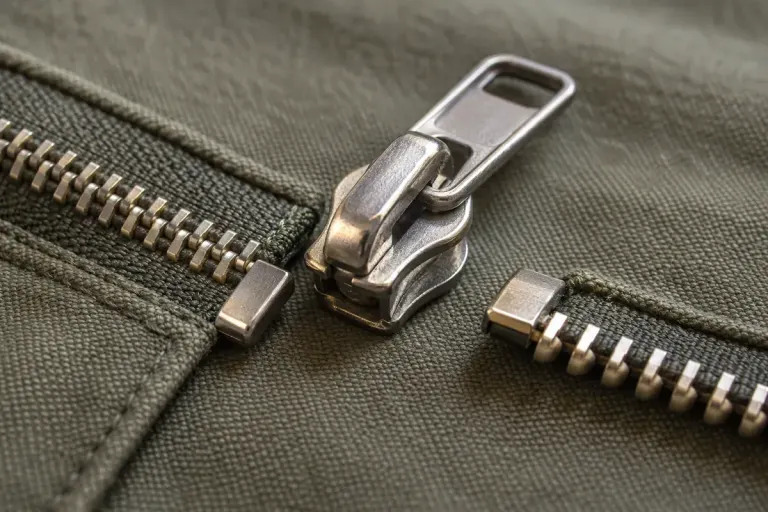
A Zipper Is Easier to Describe When You Separate Teeth, Slider and Stops
Describe a zipper through its visible components and keep a mechanism’s condition separate from assumptions about the garment’s history.

The materials behind familiar objects, seen through industrial history.
Describe a zipper through its visible components and keep a mechanism’s condition separate from assumptions about the garment’s history.
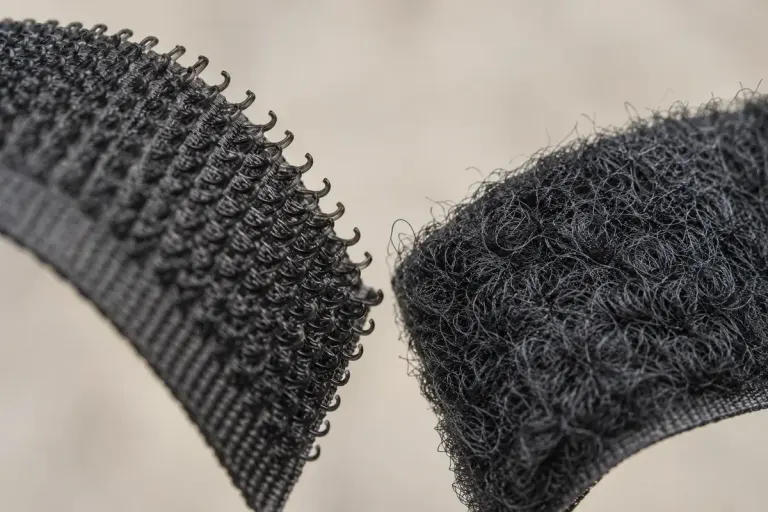
Examine the hook and loop sides of a familiar fastener, distinguish its working surface from its backing, and write a more precise object description.

A familiar model name does not guarantee that every example uses the same material. Manufacturers can retain a name while changing components, finishes or…
The edge of a textile sample can carry information that its central pattern does not. A finished woven edge deserves a different description from an edge…
A hand-cranked egg beater turns one repeated movement into another. Looking at the mechanism can reveal a practical design problem without requiring us to…
Once its thread is gone, a spool can seem like packaging without a story. Its core, ends, label area, and remaining marks offer a compact way to study how a…
A slot, screw, or sliding part can suggest that an object was adjustable. That suggestion becomes useful only when you identify what changes and what…
From across a room, a textile picture can resemble a painting on fabric. Looking closely at how its coloured areas meet opens a different question: was the…