Material Histories
A Tapestry Is Woven into an Image, Not Simply Decorated with One
From across a room, a textile picture can resemble a painting on fabric. Looking closely at how its coloured areas meet opens a different question: was the…

The materials behind familiar objects, seen through industrial history.
From across a room, a textile picture can resemble a painting on fabric. Looking closely at how its coloured areas meet opens a different question: was the…
A museum object called a vacuum bottle may contain several materials with different roles. Reading the catalogue description by component gives the familiar…
A comb can be both a practical object and an ornament. A museum record naming celluloid invites us to examine that combination without assuming the material…
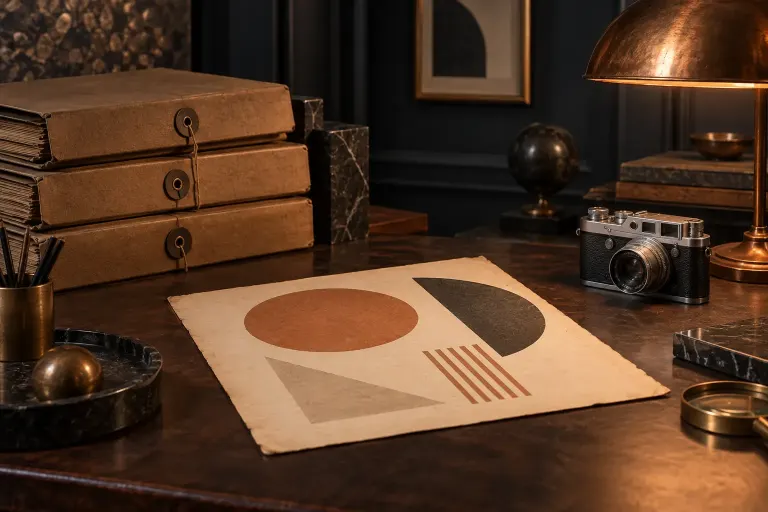
Study old product-care instructions as historical claims while keeping them separate from decisions about treating a surviving collection object.
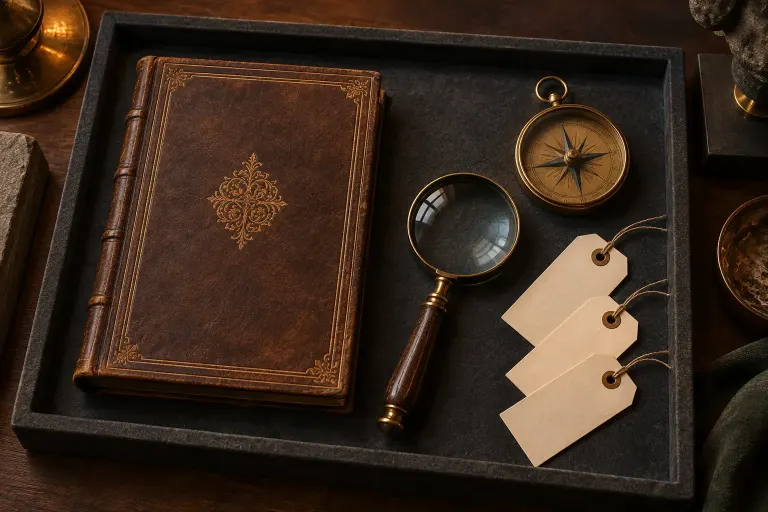
Read a reproduction as a later object with its own maker, date and materials, while keeping the older design it represents in a separate record.
Read a museum description of a nylon hosiery label by separating brand, size, material wording and price instead of collapsing them into a single object date.
Read Bakelite’s development through the problem it addressed, then separate the history of a material from the identification of an individual object.
Describe an object’s surface without letting a coating stand in for its full material composition, using catalogue wording and separate observation notes.