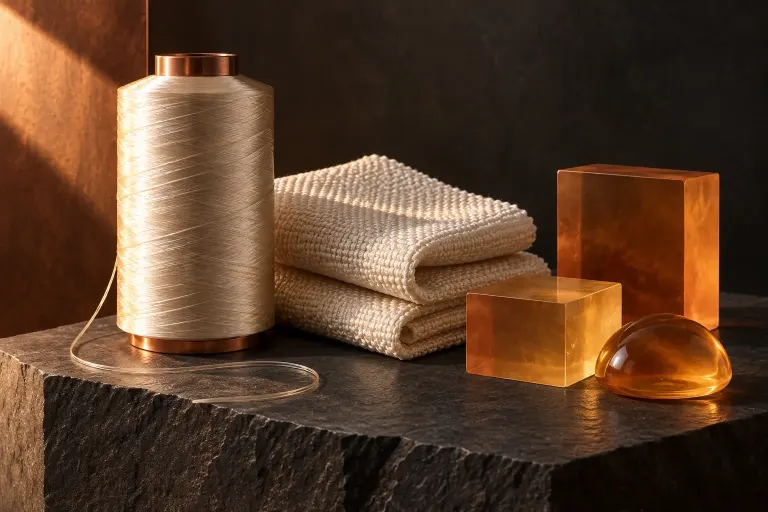
Material Histories
A Coated Surface Is Not the Same Thing as the Whole Object
Describe an object’s surface without letting a coating stand in for its full material composition, using catalogue wording and separate observation notes.

Describe an object’s surface without letting a coating stand in for its full material composition, using catalogue wording and separate observation notes.
Historical newspaper searches depend partly on machine-readable text. Check the scanned page before treating a missing keyword as a missing story.

Use Elias Howe’s 1846 patent model to distinguish a documented invention record from a general story about every sewing machine that followed.
Read Bakelite’s development through the problem it addressed, then separate the history of a material from the identification of an individual object.
Separate rayon from nylon when reading textile history, then use a small comparison card to keep material descriptions and manufacturing claims clear.
Use a finding aid to plan archival research, distinguish collection descriptions from inspected documents, and record the references needed for a focused enquiry.
Describe visible wear in an object record without guessing its cause or attempting restoration. Keep location, uncertainty and photographic context clear.
A glossy or wood-like surface does not settle an object’s material. Learn to separate visible description, catalogue identification and unanswered questions.